Authors: Ghibom Bhak, Jung-Ho Lee, Ji-Sook Hahn, Seung R. Paik
DOI: 10.1371/journal.pone.0004177
Abstract Summary
Researchers discovered that α-synuclein, the protein involved in Parkinson’s disease, forms granules of ~11 monomers that rapidly convert to fibrils when exposed to shear force during centrifugation. This physical stress triggers structural rearrangement, with granules acting as building blocks for fibril formation. The findings support a “double-concerted” model of amyloid formation, offering new insights for disease control strategies.
Why Brain? 🧠
Shear stress rapidly converts α-synuclein granules into amyloid fibrils linked to Parkinson’s disease, revealing a new mechanism where physical forces accelerate pathological protein aggregation.
License: CC BY.
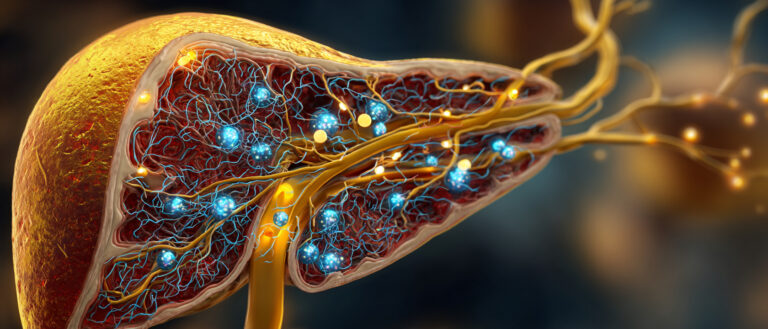
The image is AI-generated for illustrative purposes only. Courtesy of Midjourney.